Pressure Builds on Florida Hospitals to Stop Forced C-Sections After Delivery of Petition with 30,000 Signatures
For Immediate Release: April 15, 2026
Contact: media@fwdshift.com
Pressure Builds on Florida Hospitals to Stop Forced C-Sections After Delivery of Petition with 30,000 Signatures
Today, reproductive rights and justice organizations UltraViolet, Pregnancy Justice, Elephant Circle, If/When/How, and the Center for Reproductive Rights delivered a petition signed by 30,000 people demanding that two Florida hospitals—University of Florida Health (UF Health) and Tallahassee Memorial HealthCare—stop forcing pregnant people to have cesarean births and provide justice for patients Cherise Doyley and Brianna Bennett.
Upon delivering the signatures to the hospitals, Nicole Regalado, vice president of campaigns at UltraViolet, a leading national gender justice organization, issued the following statement:
“Thousands of everyday people, including women and mothers, made their voices heard today, speaking out against both the callous mistreatment of Cherise Doyley and Brianna Bennett by these hospitals as well as the inhumane laws and court orders which led to that mistreatment,” Regalado said. “Pregnancy is the only condition where Florida patients can be forced to undergo unwanted treatment. This isn’t about safety—it’s a dangerous assault on the rights of thousands of pregnant people.”
UF Health drew national headlines after forcing a patient, Cherise Doyley, to have a C-section against her will through an emergency court order. A year and a half earlier, the exact same cruel injustice happened to Brianna Bennett at Tallahassee Memorial Hospital. These and other injustices make clear how quickly bad-faith state laws granting rights to fertilized eggs, embryos, and fetuses—also known as “fetal personhood”—can be used to strip a pregnant person of control over their own body and health choices.
“All patients deserve to know and understand the risks of medical interventions, to make decisions about their care, and to have those decisions respected. Pregnant people are no less capable of this than anyone else, yet these hospital systems and the state of Florida have decided that pregnant people are not autonomous human beings deserving of full rights to medical decision making,” said Pregnancy Justice Senior Vice President Dana Sussman. “What happened to Cherise and Brianna should shock everyone, and yet is also an unfortunately unsurprising outcome when we decide that pregnant people are no longer deserving of full rights.”
Reproductive rights and justice organizations were joined by 30,000 people, including thousands of women and mothers, today in demanding that the hospitals stop forced C-sections. They also called on the hospitals to provide justice for patients Doyley and Bennett by rendering financial relief to the two women, disciplining the doctors and hospital staff who ignored them, and taking all necessary steps to end discriminatory policies and practices based on sex, gender, pregnancy status, and race. The campaign has gained significant traction across social media, including amplification by influencers like Blair Imani, whose “Smarter in Seconds” videos break down complex topics for her nearly one million followers.
“The decisions people make about pregnancy are some of the most important of their life. For the state or a hospital to claim they have a legal or moral right superior to the person who will live with the experience and its consequences is outrageous. It shows that they don’t believe that pregnant people should have control over their own bodies and disrespects what it means to be a parent.” said Farah Diaz-Tello, Senior Counsel and Legal Director of If/When/How. “No one should have to fear that advocating for what is best for their body, their baby, and their family could result in their hospital room becoming a courtroom.”
“What Cherise and Brianna had to endure is unthinkable and inhumane. The state of Florida cannot claim to support mothers and families while forcing unwanted medical interventions on them,” said Pilar Herrero, Senior Attorney at the Center for Reproductive Rights. “We all deserve the right to make our own decisions about our bodies and health, including how we give birth, and to have those decisions be respected. These hospitals and the state must be held accountable. We cannot let anyone else suffer the same fate.”
“These hospitals can no longer hide behind cruel, bad-faith laws and pretend they’re not causing lasting damage to women and mothers,” Regalado continued. “We demand they take action now, before more ripples of trauma. We demand that they start respecting pregnant people’s voices, needs and wishes. And we won’t stop fighting until they do.”
###
weareultraviolet.org, pregnancyjusticeus.org, elephantcircle.net, ifwhenhow.org, reproductiverights.org
UltraViolet Education Fund is a women-led gender justice 501c3 organization, with an online community of more than 1 million members nationwide. We combine organizing, technology, creative campaigning, and people power to win real-world changes for women and gender expansive people.
Pregnancy Justice advances and defends the rights of pregnant people, no matter if they give birth, experience a pregnancy loss, or have an abortion. No one should lose their rights because of pregnancy.
Elephant Circle is a birth justice nonprofit that is rooted in Colorado, with national reach. Inspired by elephants who give birth within a circle of support, Elephant Circle envisions a world where all people have a circle of support and protection for the entire perinatal period.
If/When/How: Lawyering for Reproductive is a legal services and advocacy organization that represents people in crisis, reshapes the law, and builds networks of lawyers working for reproductive justice. We believe that everyone should be able to determine if, when, and how to build their families without barriers or punishment.
The Center for Reproductive Rights uses the power of the law to advance reproductive freedom around the world. From the U.S. Supreme Court to international human rights bodies, our legal work has helped shape policy, expand access to care, and hold governments accountable.
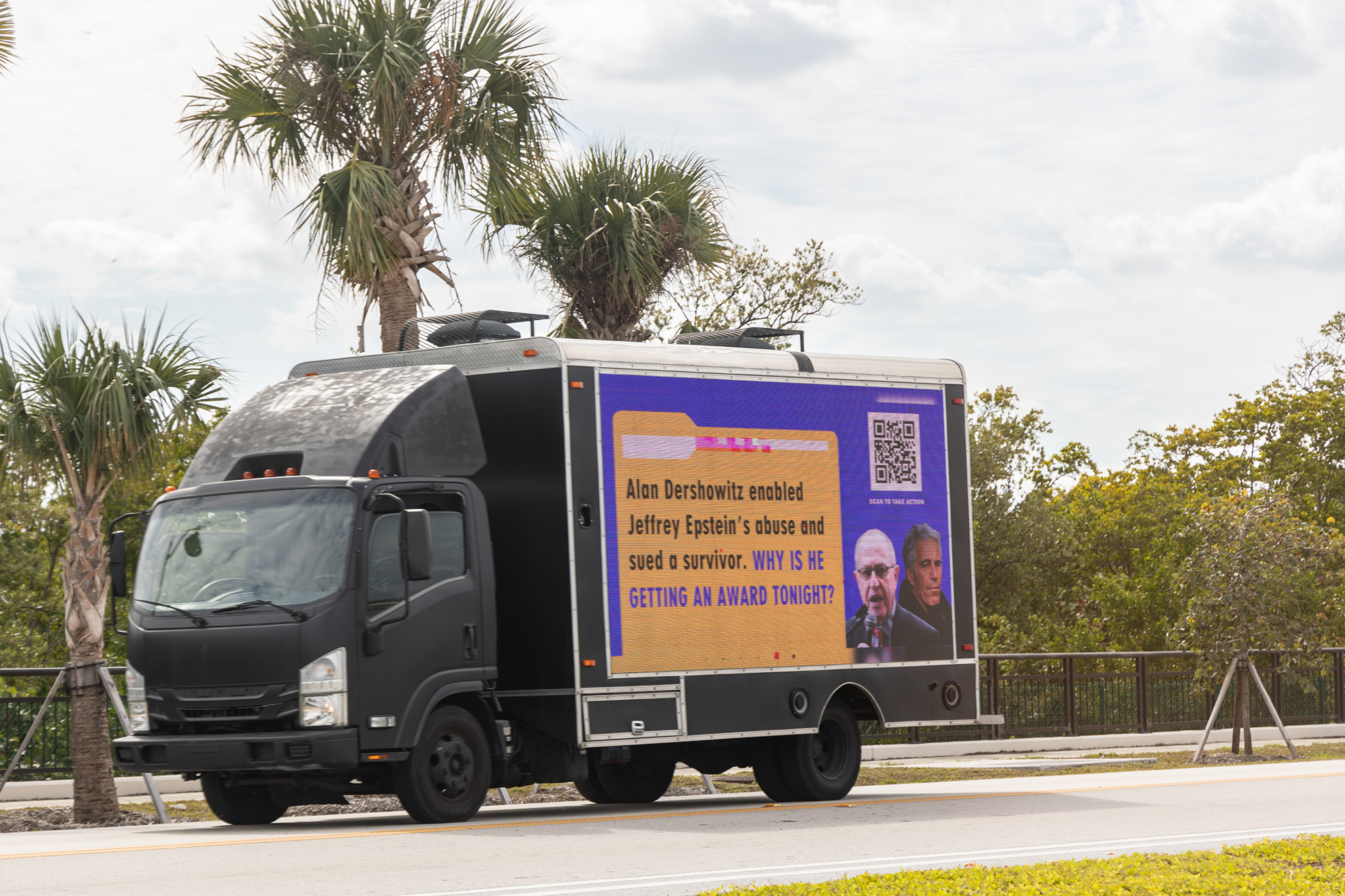
Survivors deserve accountability — not silence
We’re launching a nationwide effort to hold the powerful people connected to Jeffrey Epstein’s network of abuse accountable. From rapid-response campaigns to high-visibility public actions, we’re making sure the 1,000+ survivors’ calls for justice are heard — not ignored. Give today to help keep the pressure on.